Toddler Nightmares: Fast Comfort Steps & Bedtime Fixes
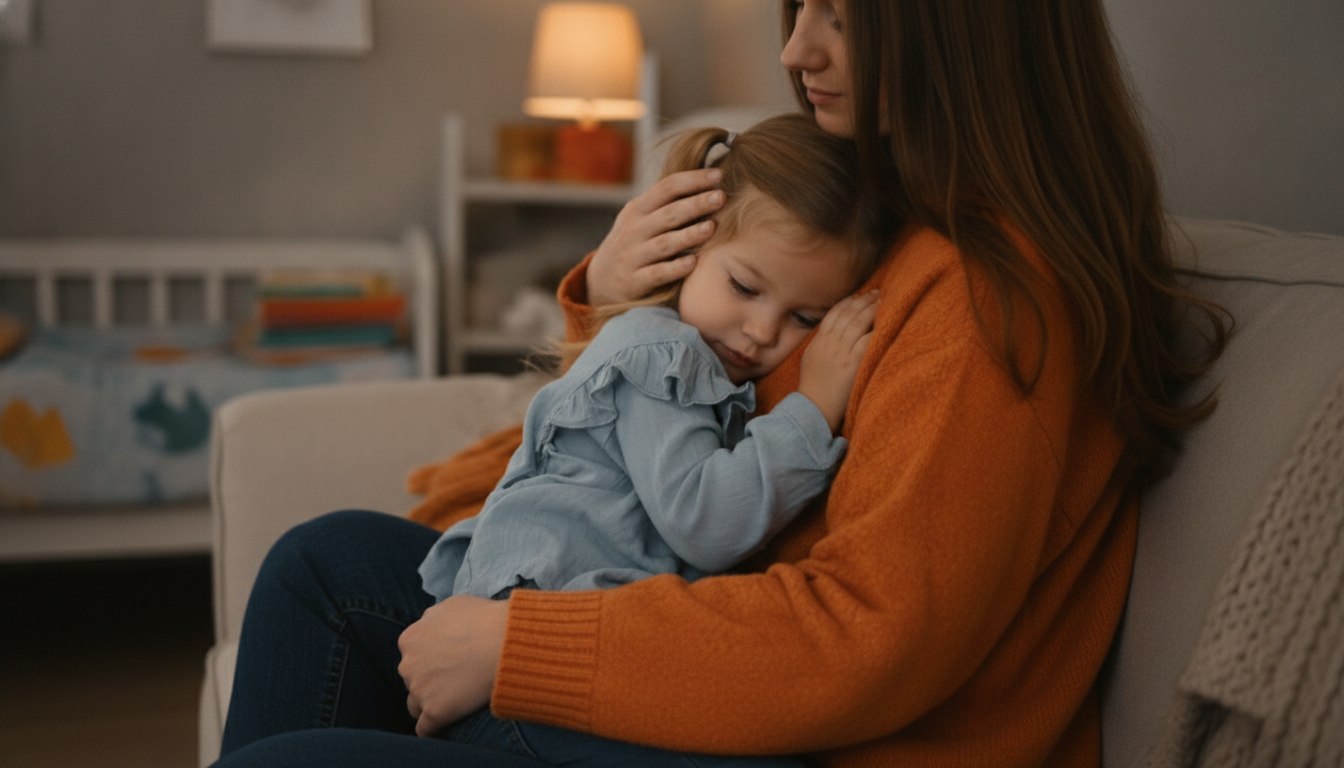
What to Do When Your Toddler Has Nightmares: Practical Comforting Tips & Bedtime Solutions
Toddler nightmares can feel sudden and intense—tears, calling out, refusing to go back to sleep, or clinging at bedtime the next night. The good news: most nightmares are developmentally normal, and a consistent, calming response can reduce fear in the moment and help prevent repeat wake-ups. Use the steps below to soothe your child quickly, rebuild a sense of safety, and strengthen a bedtime routine that supports more peaceful sleep.
Nightmares vs. night terrors: why the difference matters
Not every scary nighttime episode is the same, and knowing what you’re seeing can help you respond in a way that settles your toddler faster.
- Nightmares usually happen in the second half of the night. Toddlers often wake fully, may remember scary images, and look for comfort.
- Night terrors often occur earlier in the night. A child may scream, look awake, and be inconsolable, but isn’t typically fully awake and won’t remember it.
- A calm, low-stimulation response helps in both situations. With night terrors, minimal interaction and safety-focused support usually works best.
- If episodes are frequent, prolonged, or include dangerous behaviors (climbing, thrashing), discuss with a pediatrician.
Nightmares vs. Night Terrors: What You Might Notice and What Helps
| What you see | Nightmares | Night terrors | Best immediate response |
|---|---|---|---|
| Timing | Often later in the night | Often within the first few hours after falling asleep | Keep lights low and voice quiet |
| Awareness | Wakes fully; seeks you | Seems awake but isn’t fully responsive | Nightmares: comfort and orient; Night terrors: don’t force wake |
| Memory next day | May remember fear or images | Typically no memory | Reassure briefly in the morning if needed |
| What helps most | Safety, cuddles, simple words, return to sleep routine | Safety, gentle presence, wait it out, protect from injury | Avoid long talks, screens, or bright lights during the episode |
The 60-second comfort plan for middle-of-the-night wake-ups
When your toddler is crying and disoriented, the goal is comfort without accidentally “turning on” the whole brain.
- Regulate first. Take one slow breath, soften your voice, and move calmly—toddlers borrow an adult’s nervous system.
- Get eye-level. A simple line works best: “You’re safe. I’m here. It was a scary dream.”
- Keep it dim. Use nightlight-level lighting only. Bright lights and lots of questions can fully wake the brain and prolong the episode.
- Offer one consistent comfort. Choose one: a hug, a back rub, or holding hands—too many options can turn into negotiation.
- Re-orient gently. Name the room and a safe detail: “We’re in your room. Your blanket is here.”
- Return to the same sleep cue. Use a short, repeatable script (a phrase, a 10-second song, or three slow breaths) and then help them settle back down.
What to say (and what not to say) when your toddler is scared
Toddlers need you to take their feelings seriously—without making the fear feel “real.”
- Validate the emotion, not the storyline. Try: “That felt really scary.” Avoid: “Yes, the monster is scary.”
- Keep language concrete and repeatable. Predictable phrases are soothing at 2:00 a.m.
- Skip “There’s nothing to be scared of.” It can feel dismissive. Replace it with: “I’m here, and you’re safe.”
- Avoid deep dream analysis at night. Save gentle conversation for daytime when your child is calm and alert.
- Use a quick coping tool. “Let’s blow out the scary—big breath in, blow out,” or “Squeeze your bear and relax your shoulders.”
Bedtime routines that reduce nightmares over time
Nightmares can spike when sleep is light, schedules are off, or the day feels too stimulating. A steady routine helps your toddler’s brain shift into “safe and sleepy.”
- Protect the wind-down hour. Lower lights, quieter play, and a steady sequence (bath, pajamas, book, cuddle, lights out).
- Avoid scary or fast-paced content. This includes older-sibling shows playing nearby close to bedtime.
- Watch for overtiredness. Earlier bedtimes often reduce night wakings and can lessen vivid dreams.
- Add a “safe and cozy” cue. A comfort object, a consistent nightlight, white noise, or a short bedtime phrase can become a powerful signal.
- Try a 2-minute “good thoughts” ritual. Name one fun thing from the day and one nice thing happening tomorrow.
- Keep transitions predictable. If separation anxiety is high, a gradual step-back approach often works better than sudden changes.
Daytime prevention: common triggers and gentle fixes
When to get extra help
For additional bedtime and sleep guidance, see resources from the American Academy of Pediatrics (HealthyChildren.org), general sleep-disorder information from MedlinePlus, and a clear overview of night terrors from the Sleep Foundation.
A step-by-step guide for parents who want a calmer bedtime tonight
If you want a more structured plan—comfort scripts, bedtime routines, and practical solutions designed for toddler sleep challenges—see What to Do When Your Toddler Has Nightmares | Ebook Guide for Parents | Practical Comforting Tips & Bedtime Solutions.
Pairing a calm nighttime response with daytime connection and predictable routines is often the fastest path to fewer scary wake-ups. Many families also like having additional tools for communication and consistency at home, such as Positive Parenting Tips Guide | Gentle Parenting eBook | Empathic Communication | Digital Download for Moms & Dads. If nighttime anxiety has you feeling tense as well, a calming resource for parents can help you show up steady in the moment, like Meditations for Self-Love & Worthiness | Audio Course | Guided Meditations, Affirmations & Mindfulness for Confidence, Calm, and Inner Healing.
FAQ
How do I get my toddler to stop having nightmares?
Many toddler nightmares are normal, so focus on a consistent calming response at night, reduce scary content and overtiredness, and strengthen a predictable bedtime routine with a brief “good thoughts” ritual. If nightmares happen several times a week or cause daytime distress, track patterns for a week and discuss it with your pediatrician.












Leave a comment